The World’s Most Expensive Apology
Why We Pay Millions for Artists We Once Ignored
Imagine walking into a small room in Paris in 1890.
A struggling artist sits alone. His clothes are worn. His pockets are empty. The landlord is demanding rent. The local critics dismiss his work as crude and unfinished. Most people who see his paintings simply do not understand them.
If someone had offered you one of his canvases for a few francs, you probably would have declined.
Today, that same artist’s paintings sell for hundreds of millions of dollars. 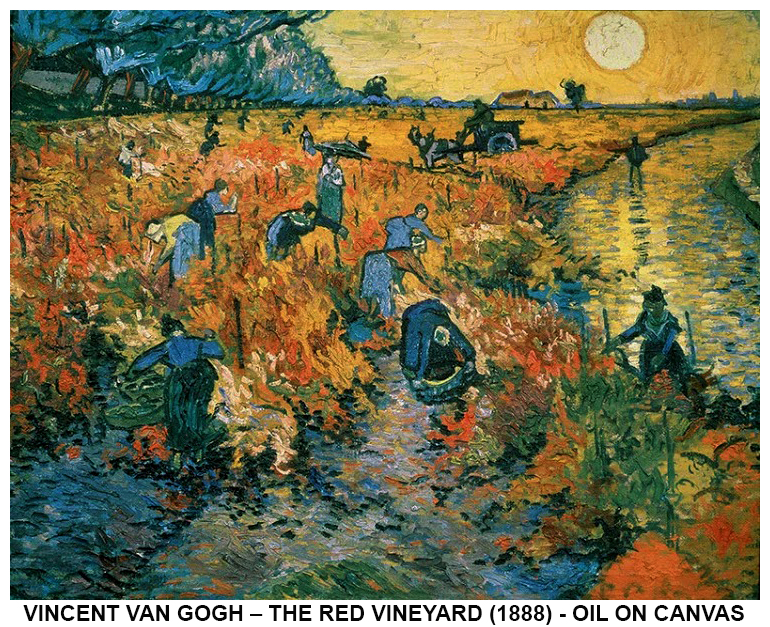
His name was Vincent van Gogh.
The story is so famous that it almost feels mythical. Yet it remains one of the greatest ironies in cultural history.
Van Gogh sold almost nothing during his lifetime. He depended largely on financial support from his brother Theo. He struggled with poverty, mental illness, and a crushing sense of failure. When he died in 1890 at the age of thirty-seven, he believed himself largely unsuccessful.
Today he is one of the most celebrated artists in human history.
The same world that ignored him now treats his paintings as cultural treasures. Museums are built around his works. Scholars devote entire careers to studying his letters. Collectors compete fiercely for the rare opportunity to own a Van Gogh.
The question is obvious.
What changed?
The paintings did not change.
The world did.
This strange transformation lies at the heart of one of the art market’s most fascinating phenomena: the posthumous masterpiece.
 Throughout history, artists have often achieved their greatest recognition only after death. In some cases, their works became more valuable within a few decades. In others, it took centuries before the world finally caught up with their vision.
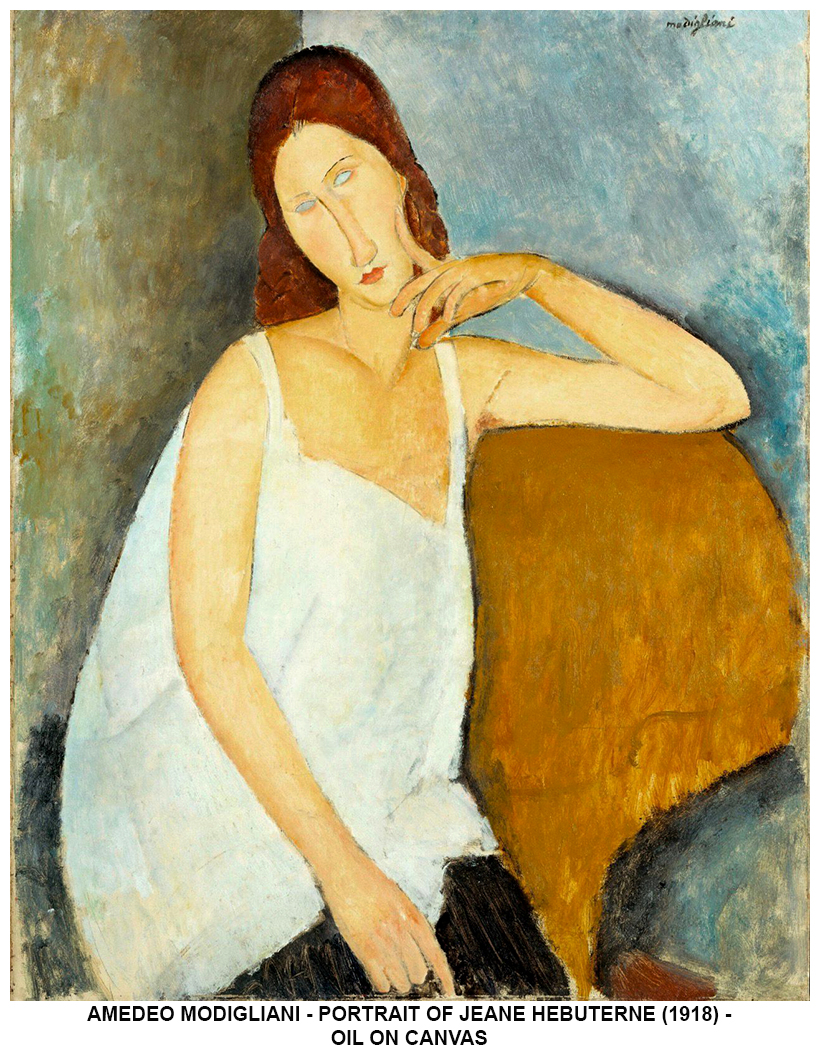
Perhaps no story illustrates this better than that of Amedeo Modigliani.
Modigliani spent much of his short life in poverty in Paris. Friends frequently recalled him trading drawings for meals, drinks, or temporary shelter. He battled illness, struggled financially, and remained largely outside the mainstream art establishment.
In January 1920, he died of tubercular meningitis at the age of thirty-five.
The next day, tragedy deepened. His pregnant partner, Jeanne Hébuterne, overwhelmed by grief, took her own life.
Almost immediately, something remarkable happened.
The artist whom collectors had largely ignored suddenly became an object of fascination. Within a few years, dealers, critics, and collectors began recognising the uniqueness of his elongated figures and haunting portraits.
A century later, Modigliani’s paintings would become some of the most expensive works ever sold at auction.
The market had not merely discovered a painter.
It had discovered a legend.
Yet perhaps the most astonishing story belongs to a man who never knew he had become forgotten.
Johannes Vermeer died in 1675 burdened by debt. His widow was left struggling to support eleven children. His paintings gradually disappeared into private collections. Over time, his name faded from public memory.
For nearly two centuries, Vermeer was largely absent from art history.
Not undervalued.
Forgotten. 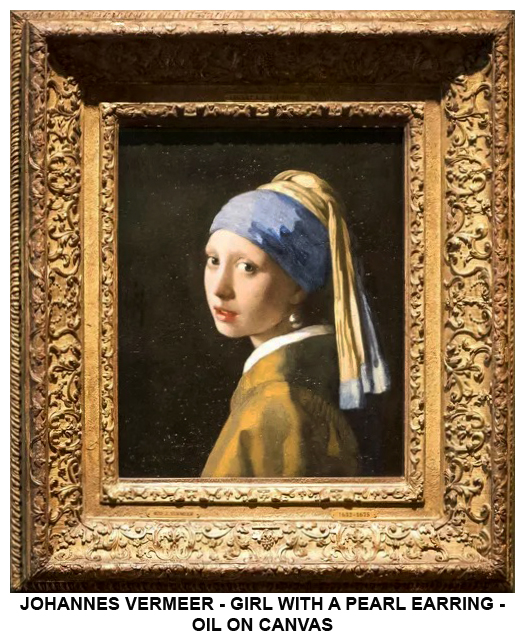
Then, during the nineteenth century, scholars began rediscovering his work. One painting led to another. A hidden genius slowly emerged from obscurity.
Today Vermeer is regarded as one of the greatest painters who ever lived. Works such as Girl with a Pearl Earring are recognised worldwide. Yet for generations after his death, few people even remembered his name.
His story reminds us that recognition is not always delayed by years.
Sometimes it is delayed by centuries.
The history of women artists contains equally powerful examples.
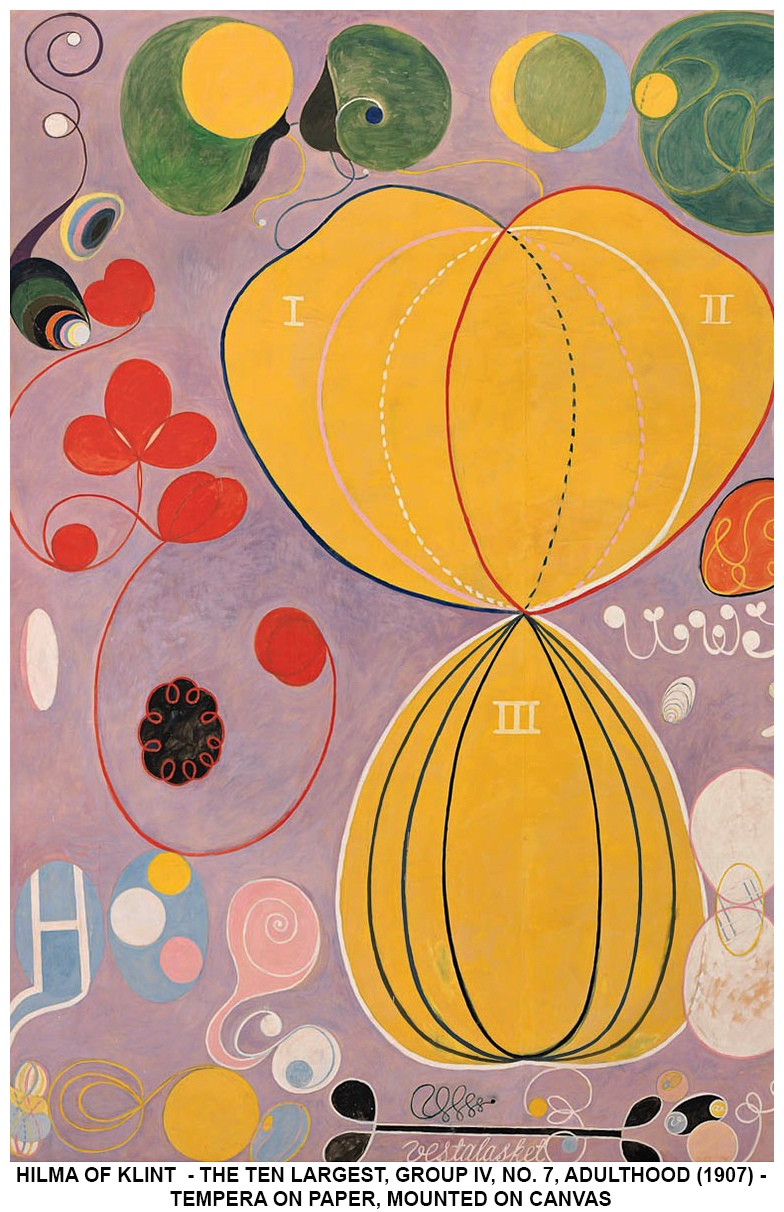
Long before abstract art became fashionable, a Swedish artist was creating large, visionary paintings inspired by spirituality, geometry, and unseen worlds.
Her name was Hilma af Klint.
Years before artists such as Wassily Kandinsky were credited with pioneering abstraction, Hilma af Klint was already producing astonishing non-representational works.
Yet she understood that her contemporaries would not understand them.
She instructed that many of her paintings should remain unseen for years after her death.
When she died in 1944, her work remained largely hidden.
Decades later, art historians began to realise the magnitude of what had been overlooked.
Today Hilma af Klint is recognised as one of the most important figures in the history of modern art. Major museums compete to exhibit her work. Scholars are rewriting narratives of abstraction to include her contribution.
 Recognition arrived.
It simply arrived too late for her to witness it.
The story of Frida Kahlo follows a different path.
Unlike Van Gogh or Vermeer, Frida achieved some recognition during her lifetime. Yet she was often overshadowed by the towering reputation of her husband, Diego Rivera.
For many years, she was viewed primarily as “Diego Rivera’s wife.”
After her death in 1954, perceptions slowly changed.
Feminist scholars, historians, and new generations of artists began re-examining her work. They recognised the extraordinary personal, political, and psychological depth of her paintings.
Today Frida Kahlo is not merely famous.
She has become a global cultural icon.
Her image appears everywhere from museum walls to popular culture. Yet much of this recognition emerged decades after her death.
Once again, the artist remained the same.
The world’s understanding changed.
Why does this happen?
Part of the answer lies in scarcity.
When an artist dies, no new works can ever be created. Supply becomes permanently fixed.
But scarcity alone cannot explain the phenomenon.
Many deceased artists remain forgotten.
The deeper reason is that death often completes the story.
The artist’s life suddenly acquires narrative clarity. Scholars begin reassessing overlooked works. Museums organise retrospectives. Critics search for connections and meanings that were previously ignored.
A body of work can finally be viewed as a whole.
History gains perspective.
The market follows.
Yet there is something profoundly uncomfortable about this process.
The art world often celebrates artists most enthusiastically when they no longer need the applause.
Van Gogh needed buyers. 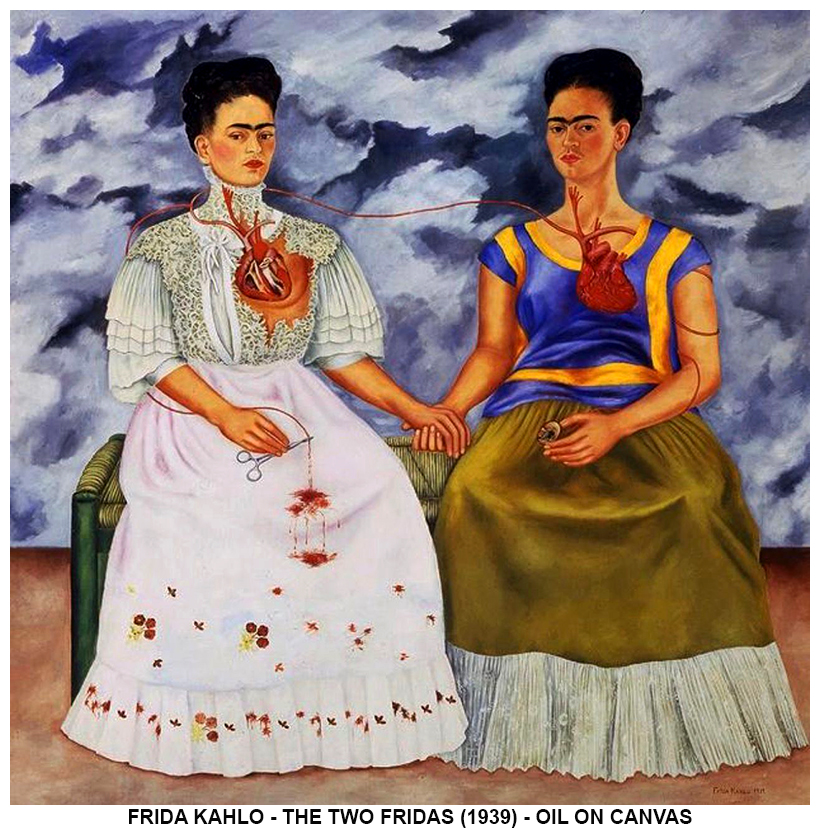
Modigliani needed medicine.
Vermeer needed financial stability.
Hilma af Klint needed recognition.
Frida Kahlo needed to be understood on her own terms.
Instead, many received their greatest rewards only after death.
The phenomenon of the posthumous masterpiece therefore reveals something important not only about art but about human nature.
We are often slow to recognise originality.
Genuine innovation can appear strange, uncomfortable, or even threatening when first encountered.
Only with distance does its significance become obvious.
Collectors frequently ask how future masterpieces can be identified.
The truthful answer is that history offers no guarantees.
Yet the stories of Van Gogh, Modigliani, Vermeer, Hilma af Klint, and Frida Kahlo suggest one lesson worth remembering.
The greatest artists rarely begin by giving the public what it already wants.
They create something the public has not yet learned to see.
And sometimes, tragically, the world only learns to see it after they are gone.
Most read articles
A Star Amongst Too Many: Chandra Bhattacharjee at Birla Academy of Art & Culture
Chittaprosad Bhattacharya: Art as Witness, Image as Resistance
The Resurgence of the Indian Art Market
The Indian Art Market Comes of Age

Ramkinkar Baij’s Bronze Sculptures: A Modernist Legacy in Form and Vitality.
Comments
Join the Discussion
Please login to post comments.
LoginRavi Rao
09 Jun 2026Beautiful artwork and very informative article 👍